
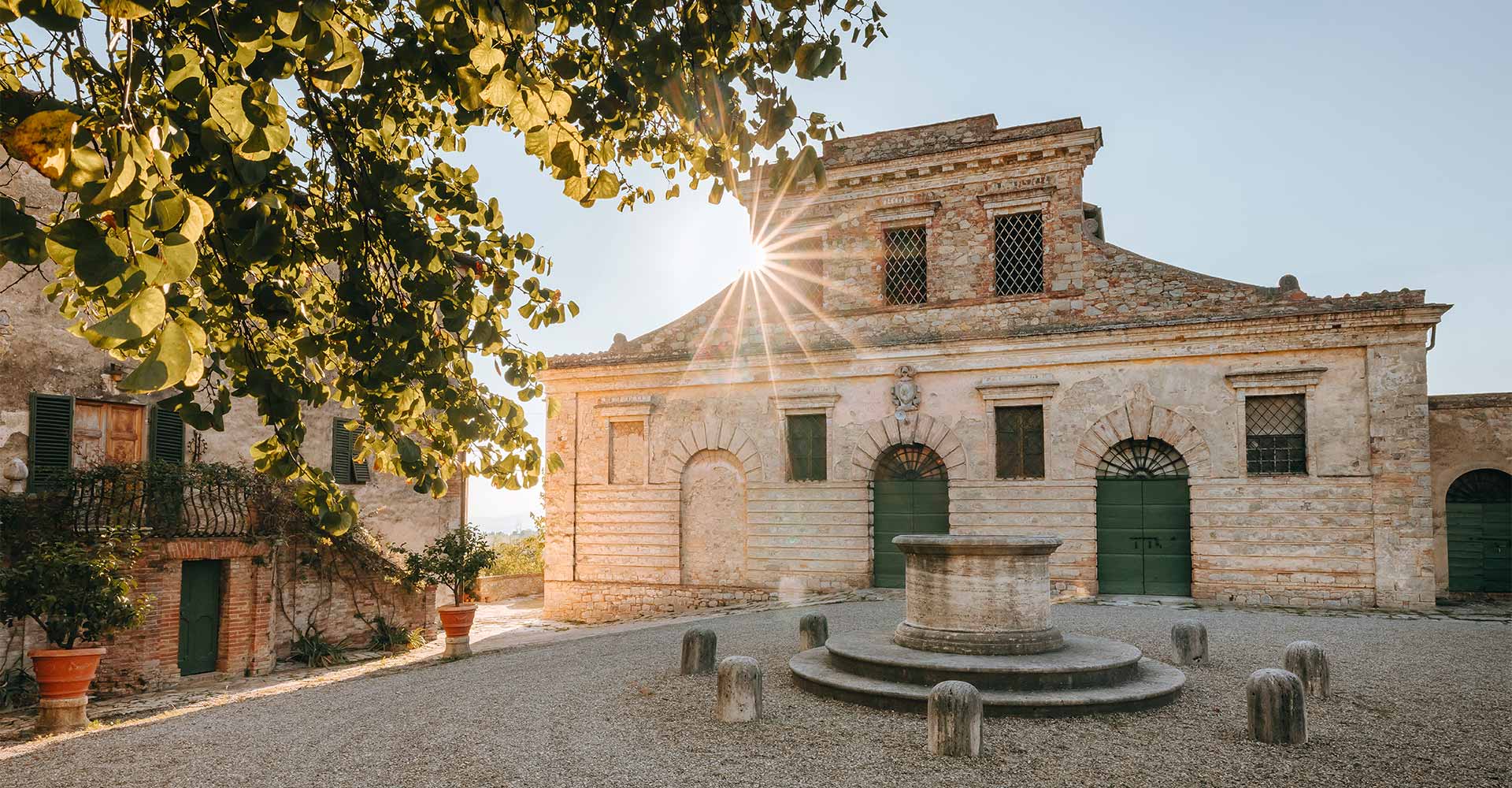
Historical notes.
In our area, a farm was once devoted primarily to the cultivation of olive trees and cereals. Just a few hectares of vineyards, a small cellar, and… immense potential.
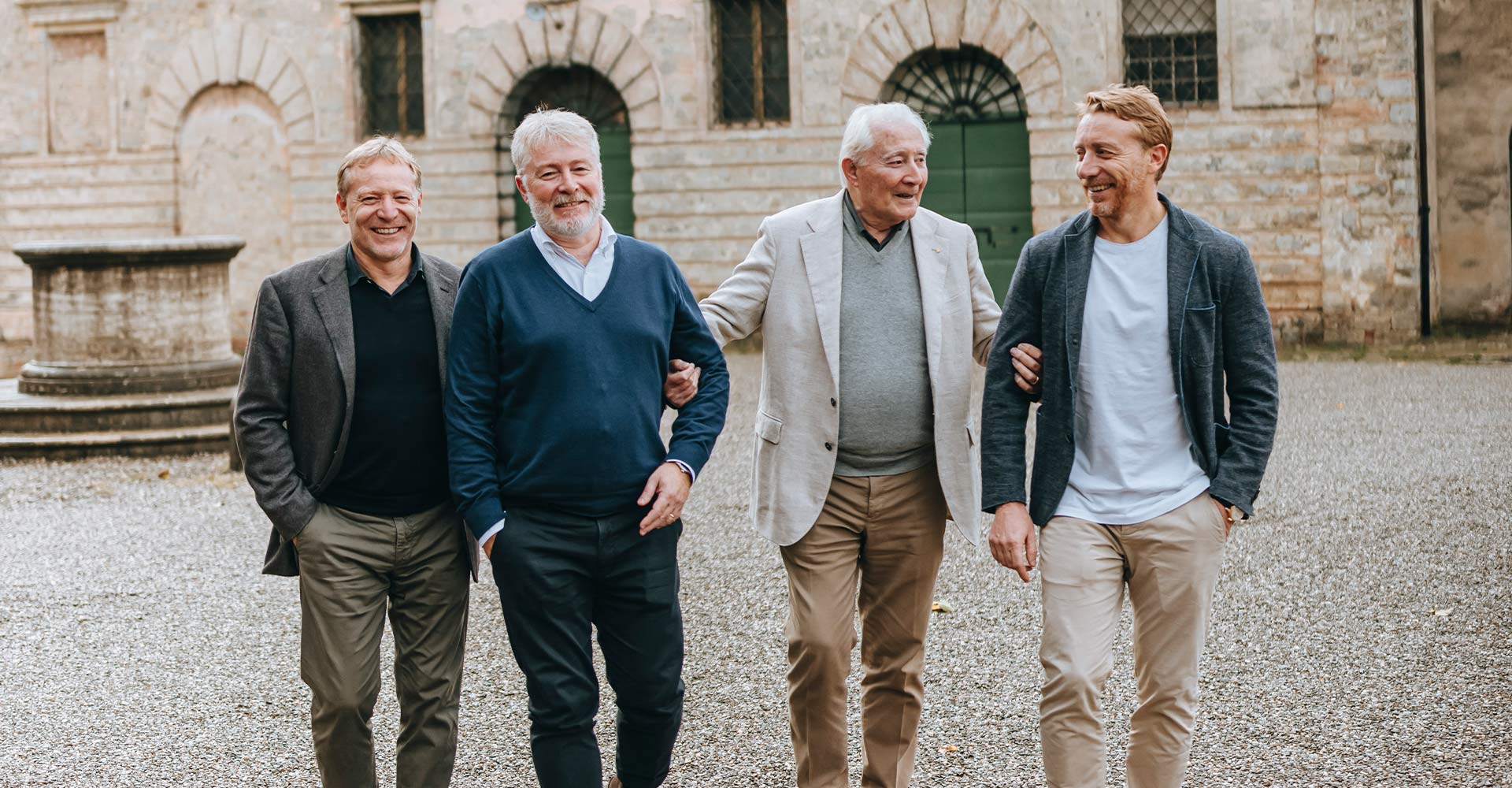
Domenico Poggiali and his son Giuseppe, crafters of our winemaking philosophy, grasped this potential in the 1970s. The dream of dedicating all the vineyards to Sangiovese proved to be an enlightened and rewarding choice, so much so that nowhere else are there today as many Sangiovese clones (30!), combined with 7 different rootstocks, planted in very heterogeneous soils.
Continue reading
A few years later, Gloria Poggiali’s husband, Giuseppe Mazzocolin, joined their ranks. Tasked with the commercial development of the estate, he won recognition through an enlightened approach that blended a deep humanistic culture with an innovative, value-driven vision of the Chianti world. Thanks to his efforts, Fèlsina’s identity and reputation were strengthened and spread across the globe, garnering significant international acclaim.
The year 1983 marked the first vintage of Rancia and Fontalloro, nonpareil expressions of our philosophy of viticulture. Concurrently, we initiated the clonal selections that have, over time, enabled us to preserve Fèlsina’s distinctive crus, thereby showcasing the symbiosis between vine and soil and reinforcing the conviction that terroir is, undoubtedly, a geological heritage, but also—and above all—a cultural identity.
Since 1990, Giovanni Poggiali has guided our strategic decisions, new plantings, and experimental initiatives, driven by the steadfast conviction that the future lies in fully unlocking the potential of Sangiovese in every one of its possible expressions.
AGRICULTURE.
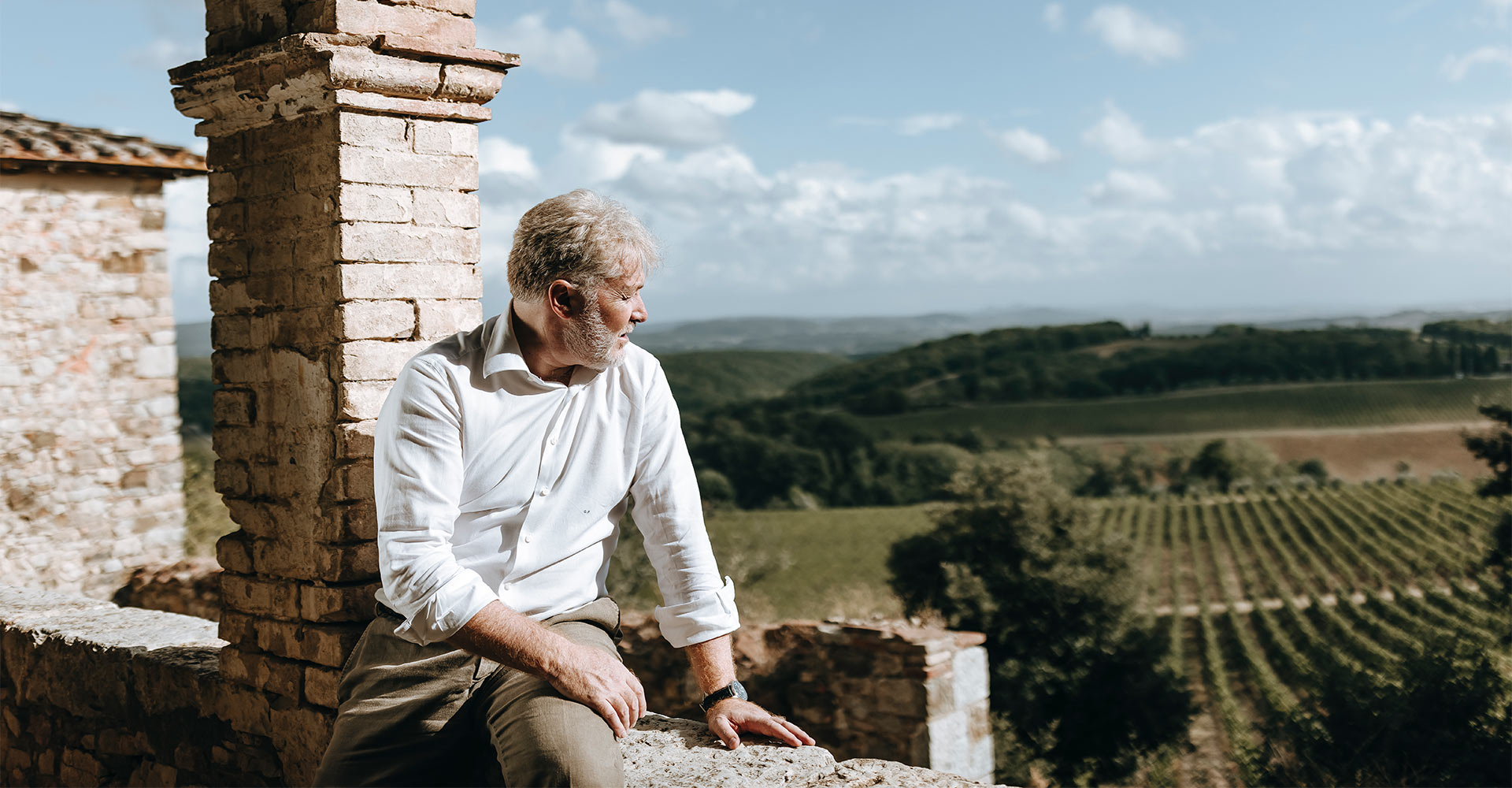
For over a thousand years, our farmsteads have constituted our agricultural heritage. We feel a profound responsibility to safeguard these lands and the biodiversity they harbor; for this reason, alongside our vineyards and olive groves, we continue to cultivate cereals, legumes, sorghum, and forage crops.
Every crop acts as a vital component in a virtuous cycle, one that springs to life from nature and returns to nature, each time enriched and regenerated. The sorghum grown at the Arcidossino farmstead feeds the pheasants in our hunting reserve, while our brewery uses only barley cultivated right here at Fèlsina.
Continue reading
The names of our farmsteads keep alive the memory of ancient millstones, agricultural endeavors, and historic forges—names such as Molino d’Ombrone, Molinuzzo, Rancia, and Fornace. Plots of land that tell of a present oriented toward the future, one nourished by a knowledge of the past.
Organic.
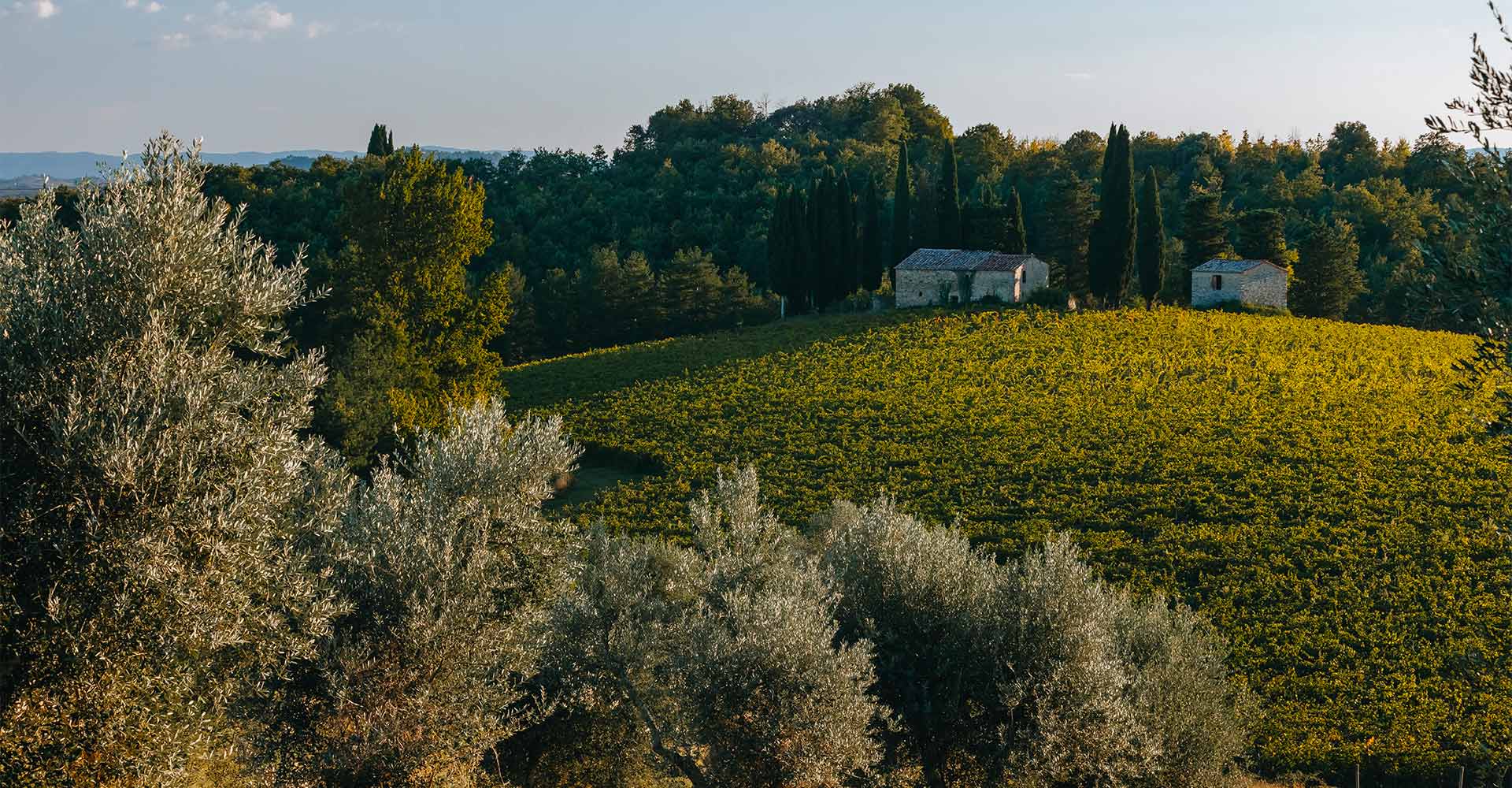
Our farming has been organic since the early 2000s. Yet, “organic” is a choice that has guided us since our very beginnings: we have always been convinced that safeguarding a pristine environment directly impacts the quality of what we cultivate. It is an approach that encompasses not only our agronomic practices but also our unwavering commitment to preserving the Fèlsina ecosystem in every way—from vineyards to meadows, from cultivated fields to woodlands.
Ours is a fundamental choice grounded in respect for natural cycles, soil fertility, and the health of both plants and animals.
Continue reading
It represents a meticulous quest for the optimal balance between our human activities and the world around us: vineyards, arable fields, pastures, and woods are all interconnected components of a single, unified landscape.
Alongside our organic farming, we have also undertaken biodynamic experiments, viewing them as a journey of observation and discovery regarding natural processes. The most consistent and effective practices have been integrated into our daily operations, guided by an approach that is pragmatic rather than ideological.


